Second Meeting – Best Practices and VR in Education
23/05/2026 – 24/05/2025 I Deventer, Netherlands
Overwiev
Objectives
• Consolidate cooperation through peer exchange and structured sharing of good practices.
• Explore innovative perspectives on primary language education through invited expert input.
• Strengthen partners’ methodological capacity by comparing VR applications and EFL teaching practices across countries.
• Provide experiential learning on VR use to support the project’s immersive learning rationale.
• Review dissemination implementation: activities completed, record-keeping, and progress evaluation.
• Re-evaluate project administration and timeline: milestones, risk/delay monitoring, and next-step planning.
• Define concrete tasks until the next mobility and align on documentation/certification practices.
Activities
Day 1 (23.05.2025)
• Welcome session and icebreakers.
• Host introduction and orientation to the Netherlands context.
• Progress overview and “state of play” discussion.
• Guest presentation on primary language education in the Netherlands.
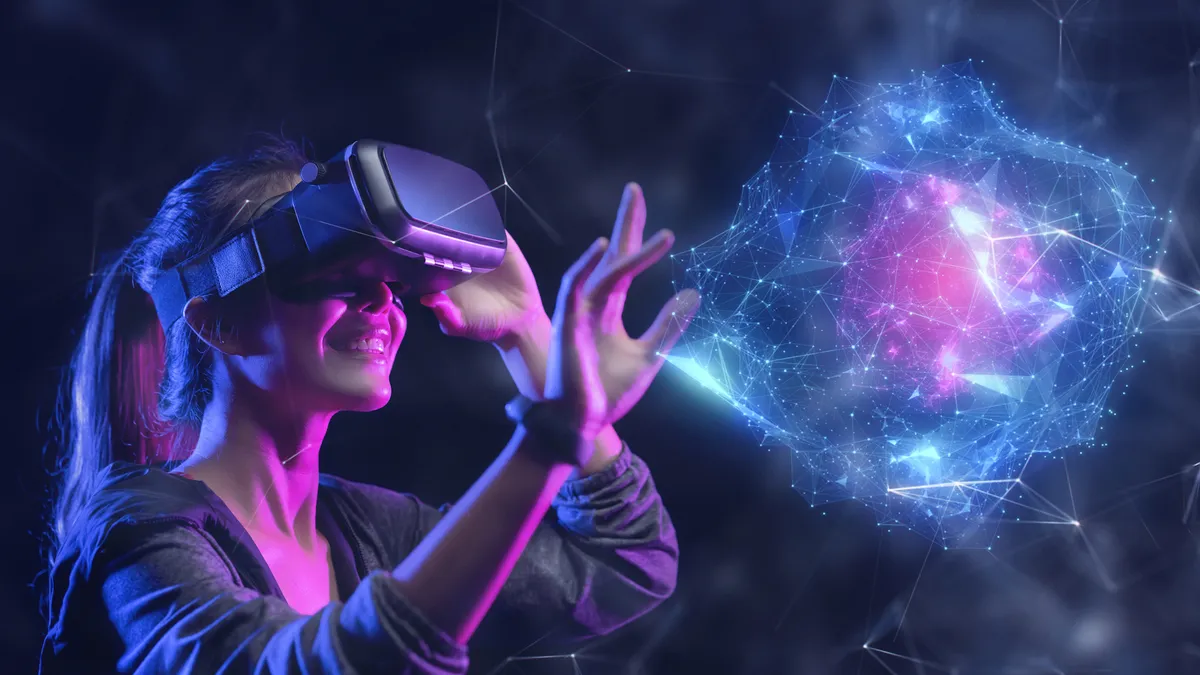
• VR experiential activity (“VR swimming”) to explore immersive learning potential in a practical setting.
• Best practice session focused on VR.
• End-of-day evaluation.
Day 2 (24.05.2025)
• Warm-up and icebreakers.
• Best practices presentations by partner countries (Netherlands, Romania, Türkiye, Spain).
• Dissemination session: review of dissemination activities, record-keeping, process evaluation, newsletters/promo video progress, and alignment with bulletin/minutes/website workflow.
• Administrative session: re-evaluation of the Gantt Chart (timing and milestones), partner-reported risks/delays, and planning of next meetings.
• Planning session: what to do until next mobility and certificates.
• End-of-day evaluation.
Outcomes
• Partners strengthened methodological alignment through structured best practice exchange on VR and EFL.
• The meeting created a shared reference framework for how VR can be integrated into language learning across partner contexts.
• Dissemination processes were reviewed and improved through clearer expectations on reporting and record-keeping.
• Administrative clarity increased through timeline/milestone re-evaluation and risk tracking.
• Next steps were translated into a concrete “to-do” set for partners until the next mobility.
• Partner engagement and cohesion improved through a balanced programme combining expert input, experiential VR learning, and structured planning.
Impact
This mobility reinforced the project’s European added value by enabling comparative learning and cross-system transfer of VR-supported language teaching practices. The combination of expert input, immersive VR experience, and partner-led best practice sharing strengthened the consortium’s collective competence to design realistic, motivating speaking practice scenarios. The administrative and dissemination reviews improved project governance and supported sustainable visibility and uptake of outcomes across countries.